
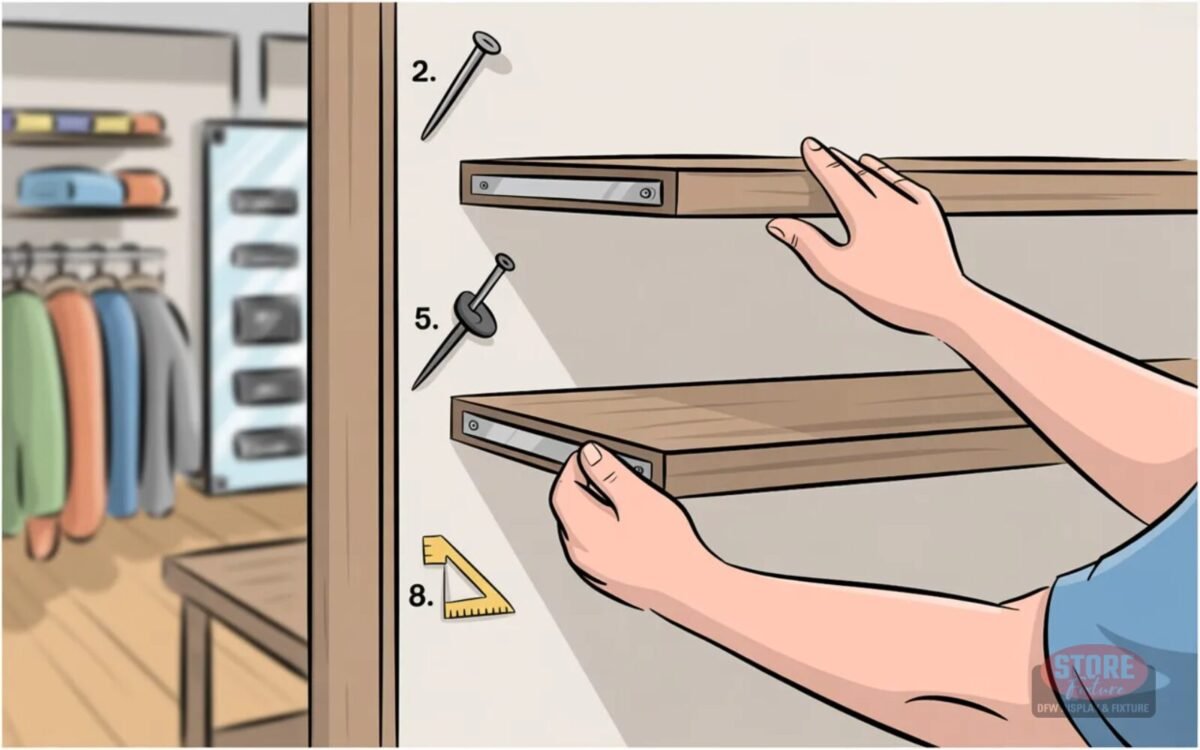
Tools Needed to Build Floating Shelves
Basic tools:
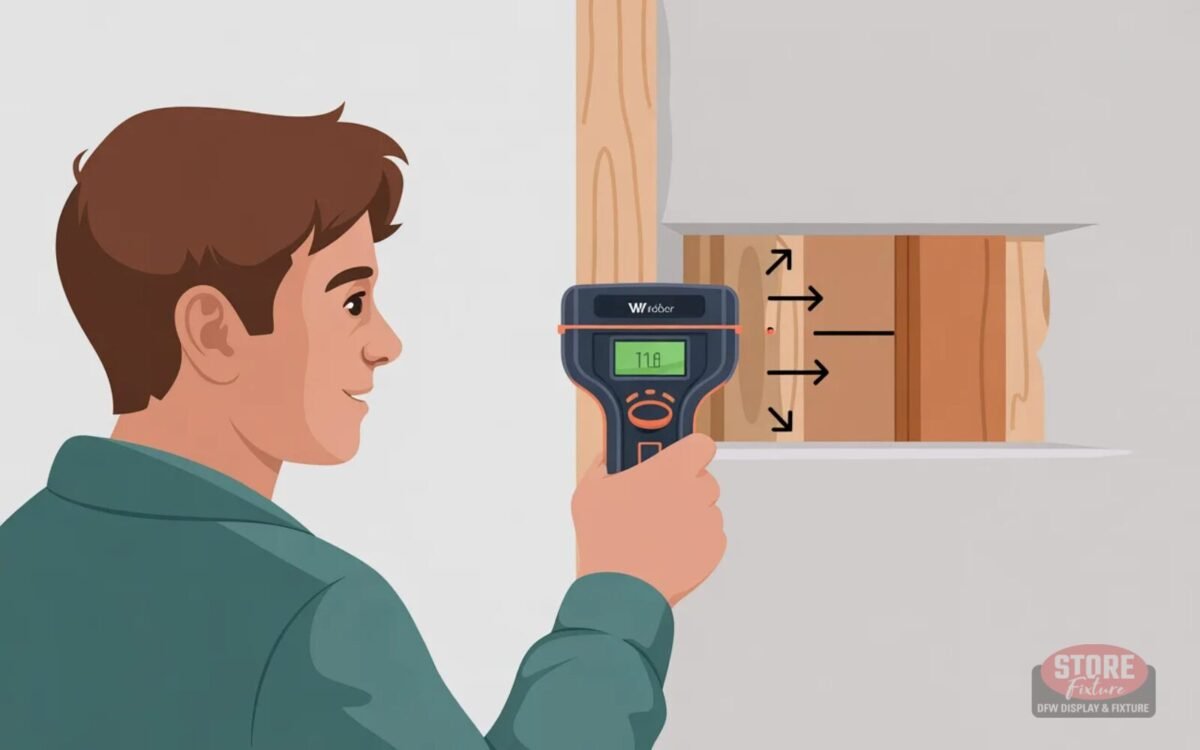
Stud finder
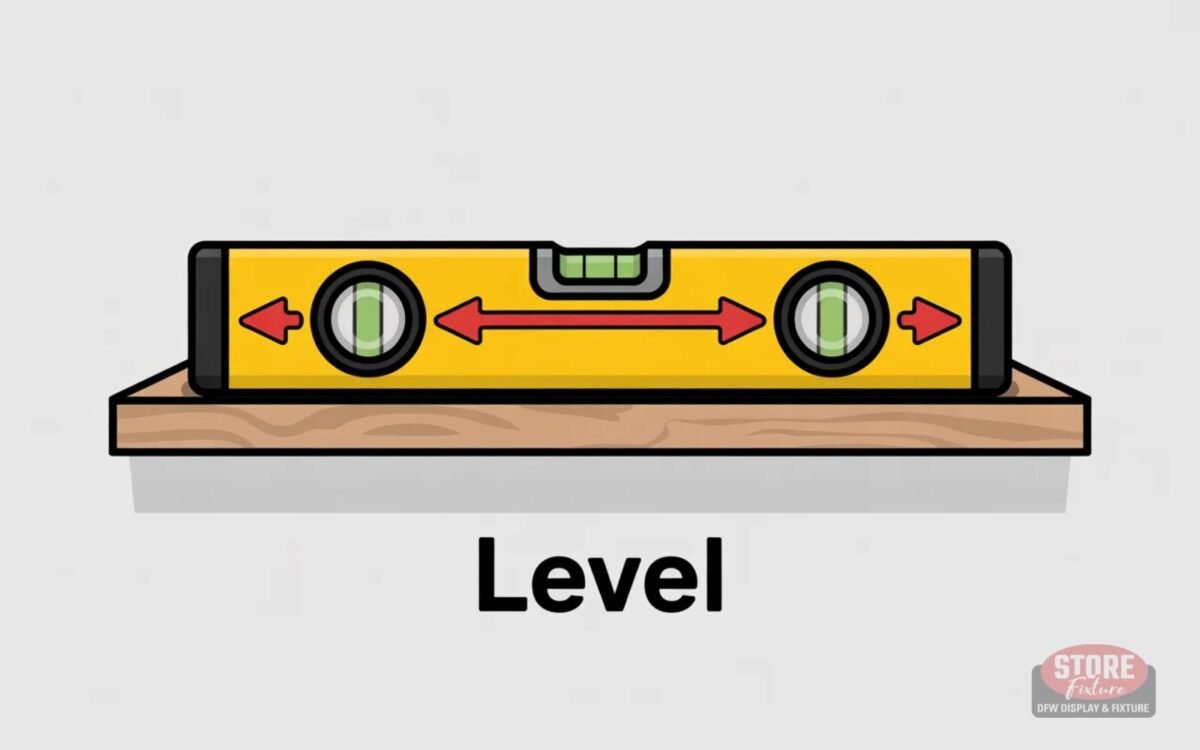
Level
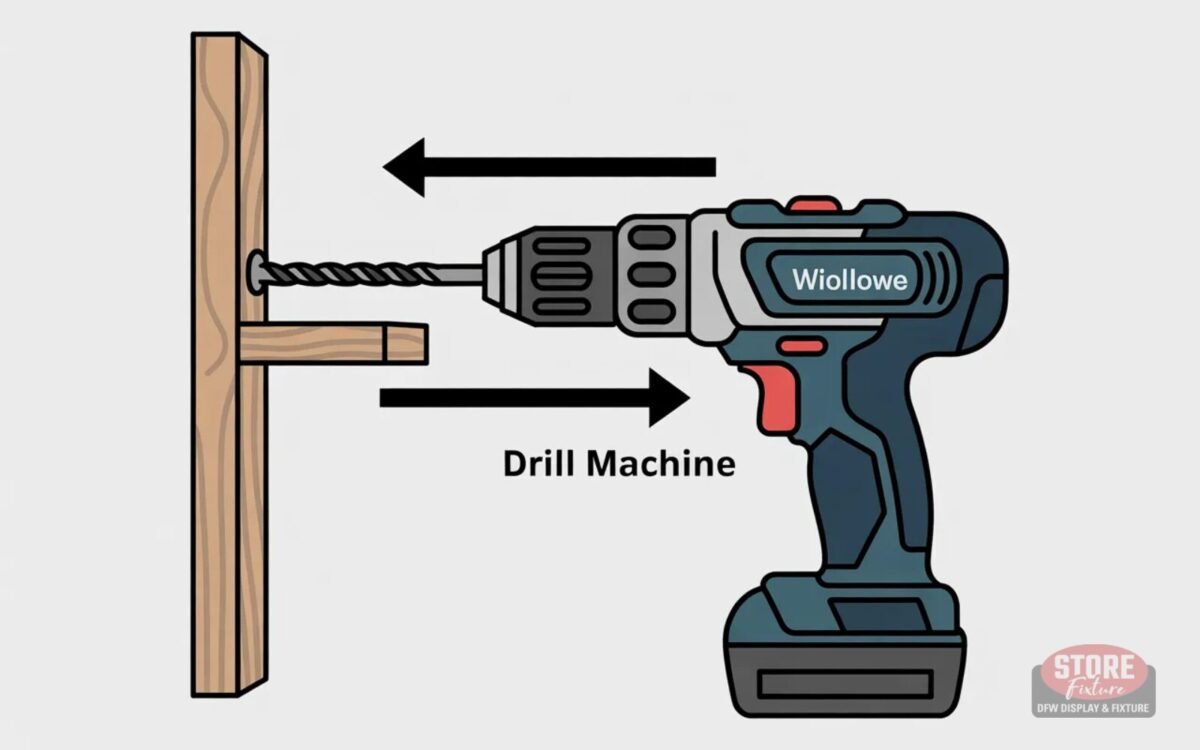
Drill machine
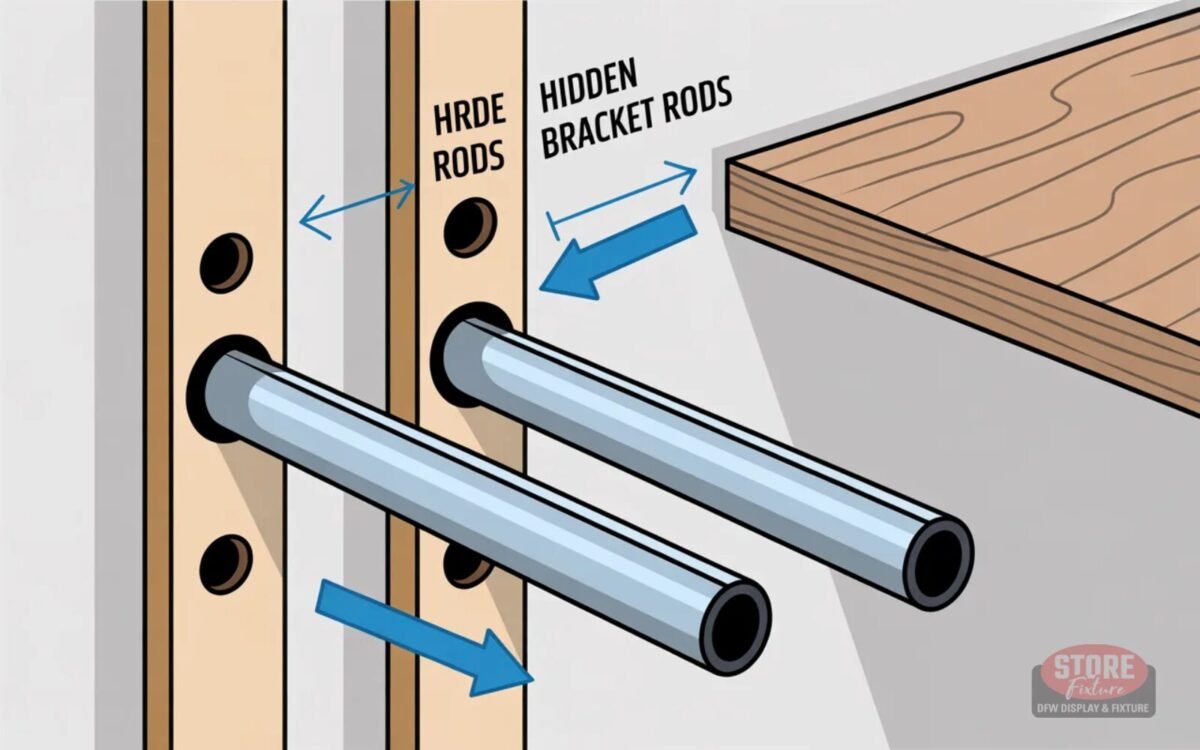
Hidden bracket rods
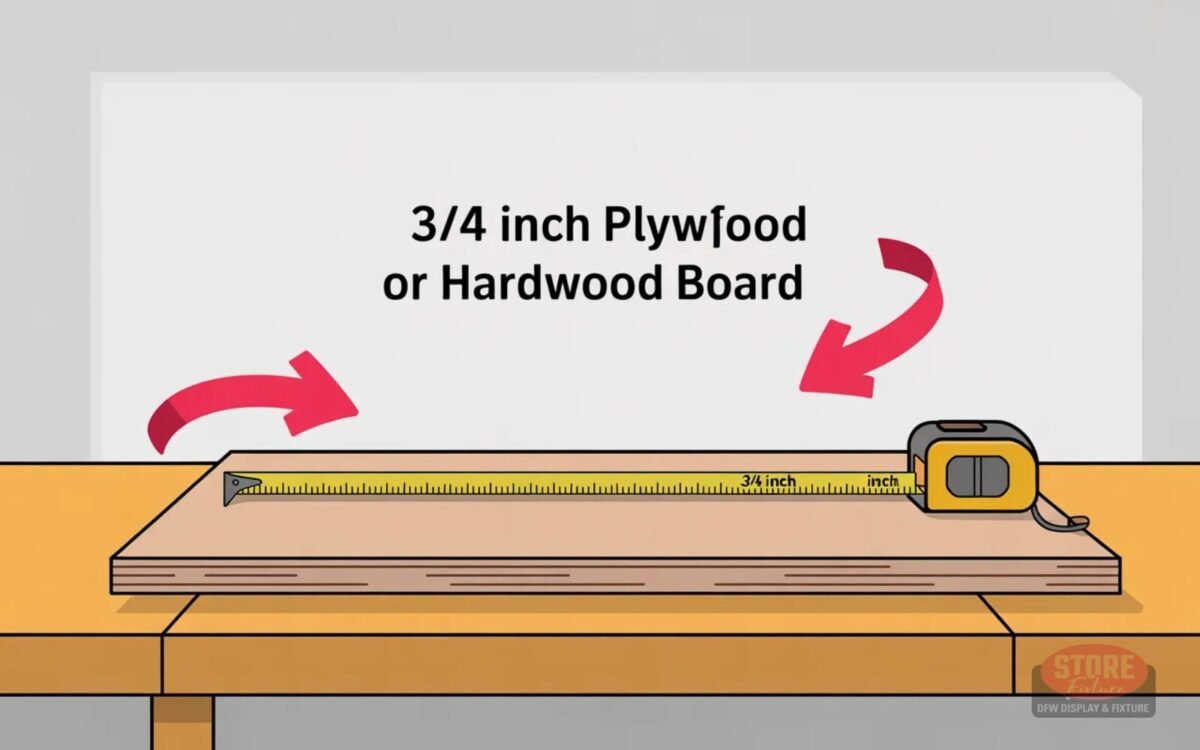
¾″ plywood or hardwood board
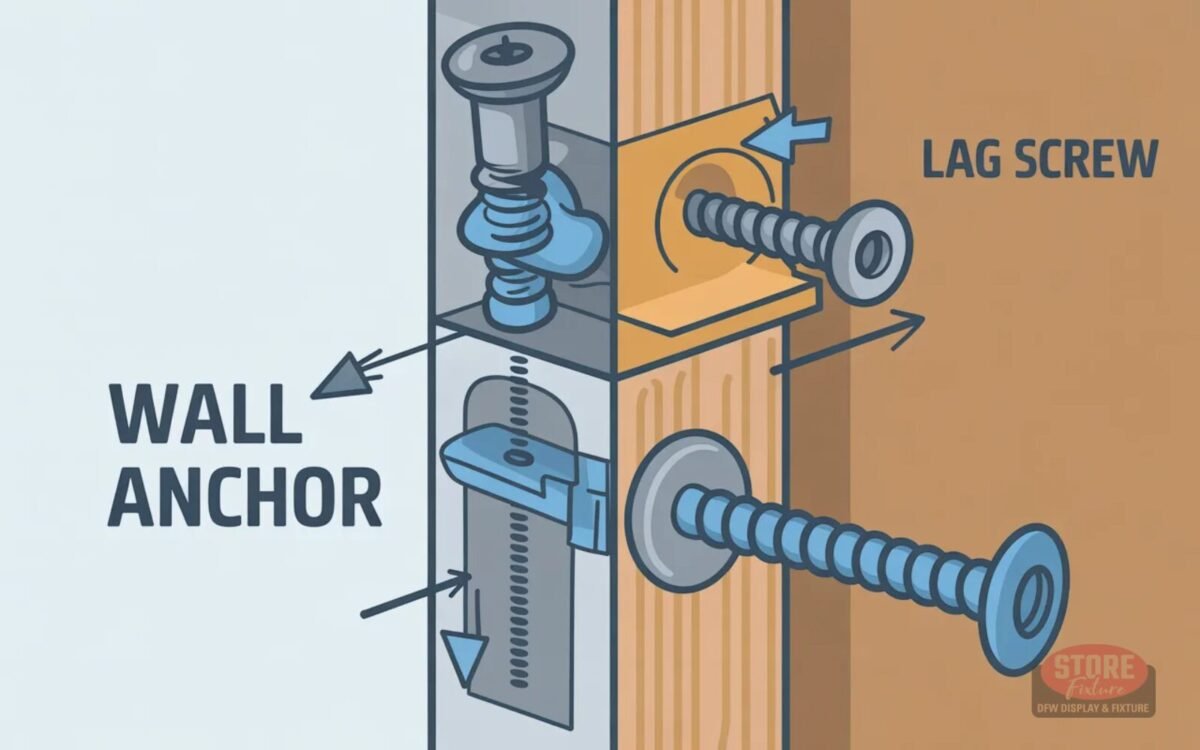
Wall anchors or lag screws
Average DIY shelf cost:
$35 – $180 per shelf
Commercial-grade shelf cost:
$120 – $450 per shelf
Method 1 — How to Make Floating Shelves Without Brackets
Best for decorative retail display walls.
Steps:
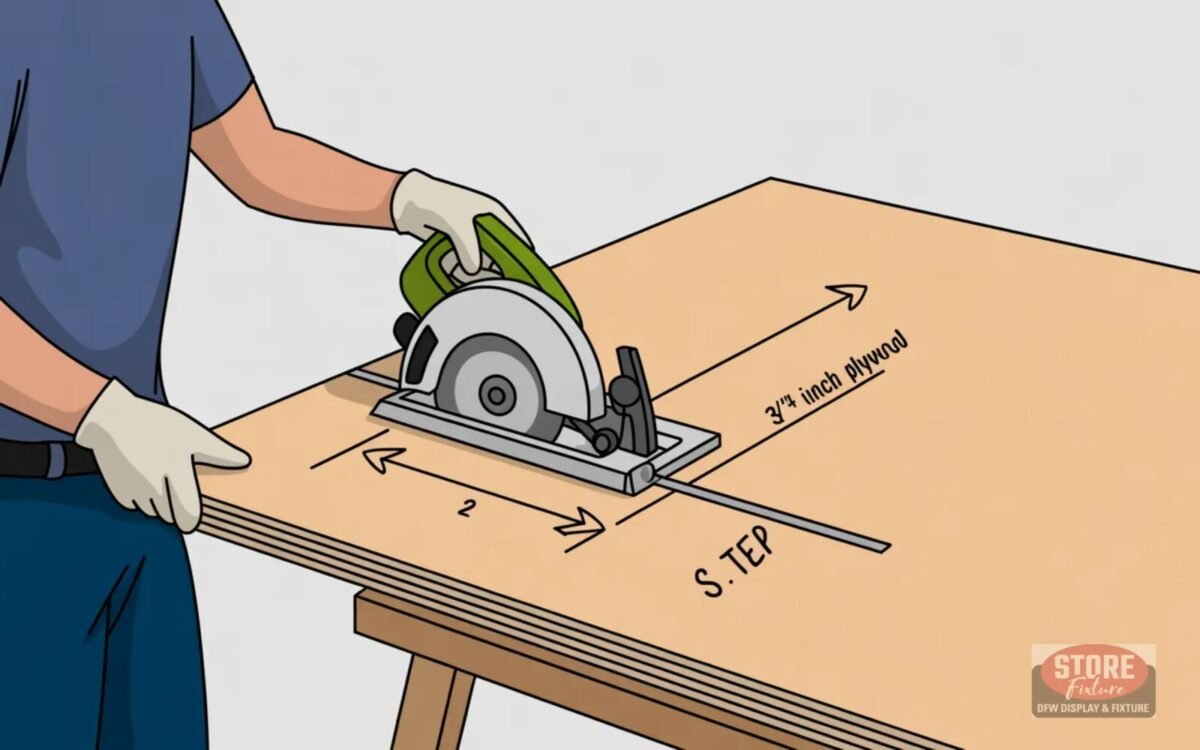
Cut ¾″ plywood board
Create wall cleat frame
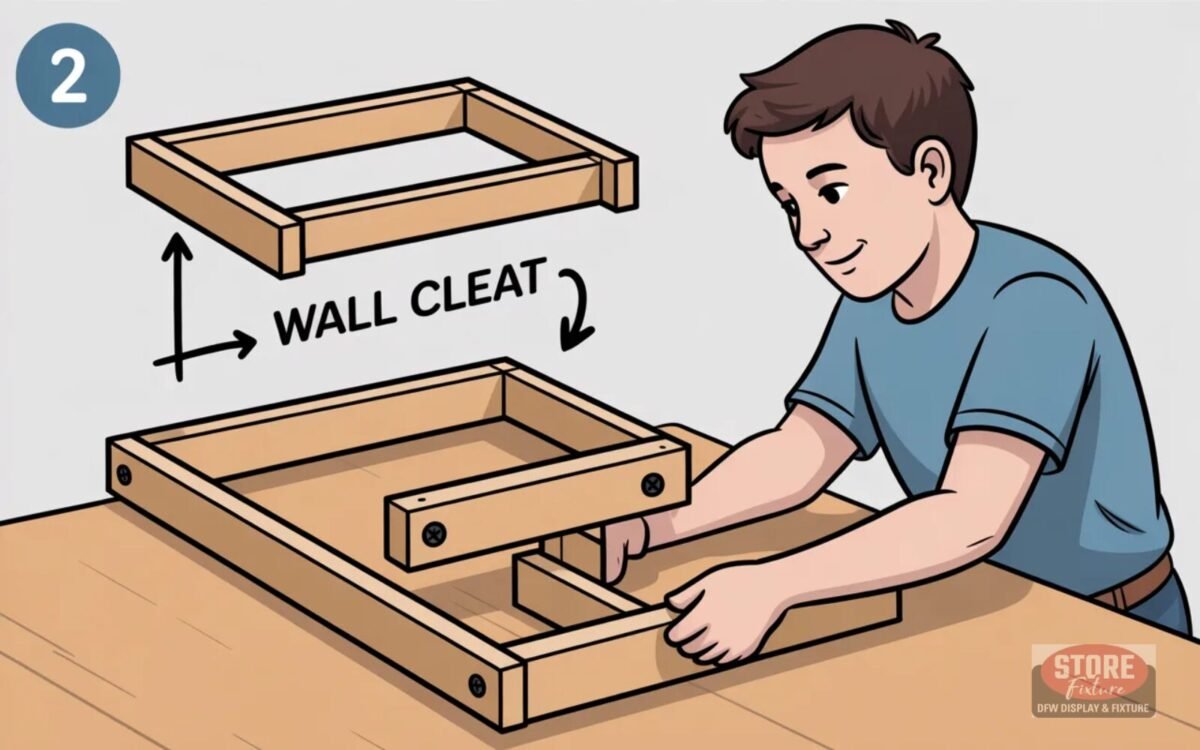
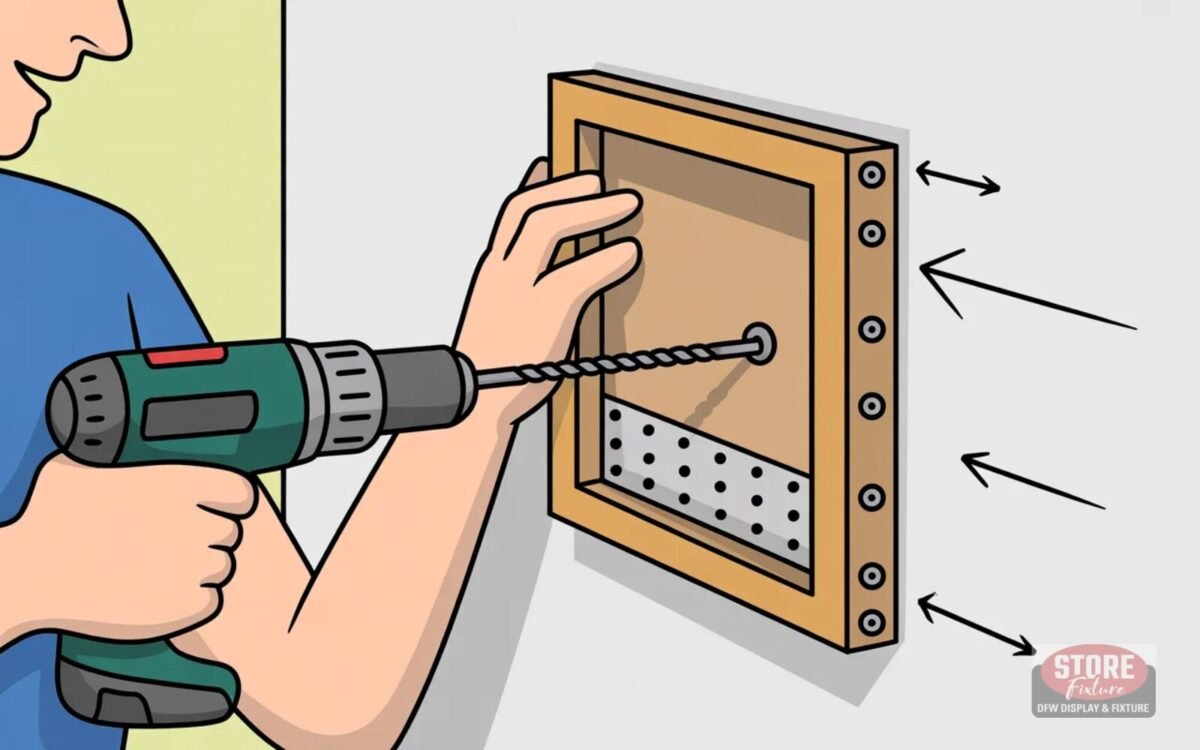
Mount frame into studs
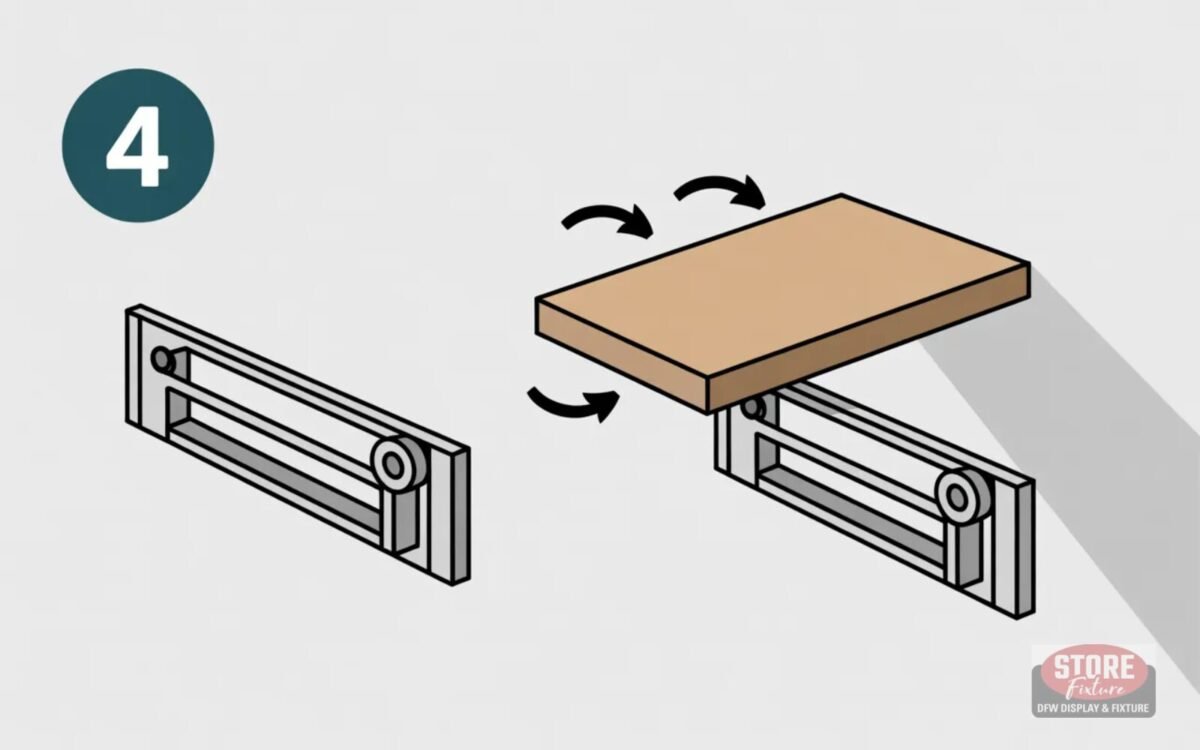
Slide shelf over cleat
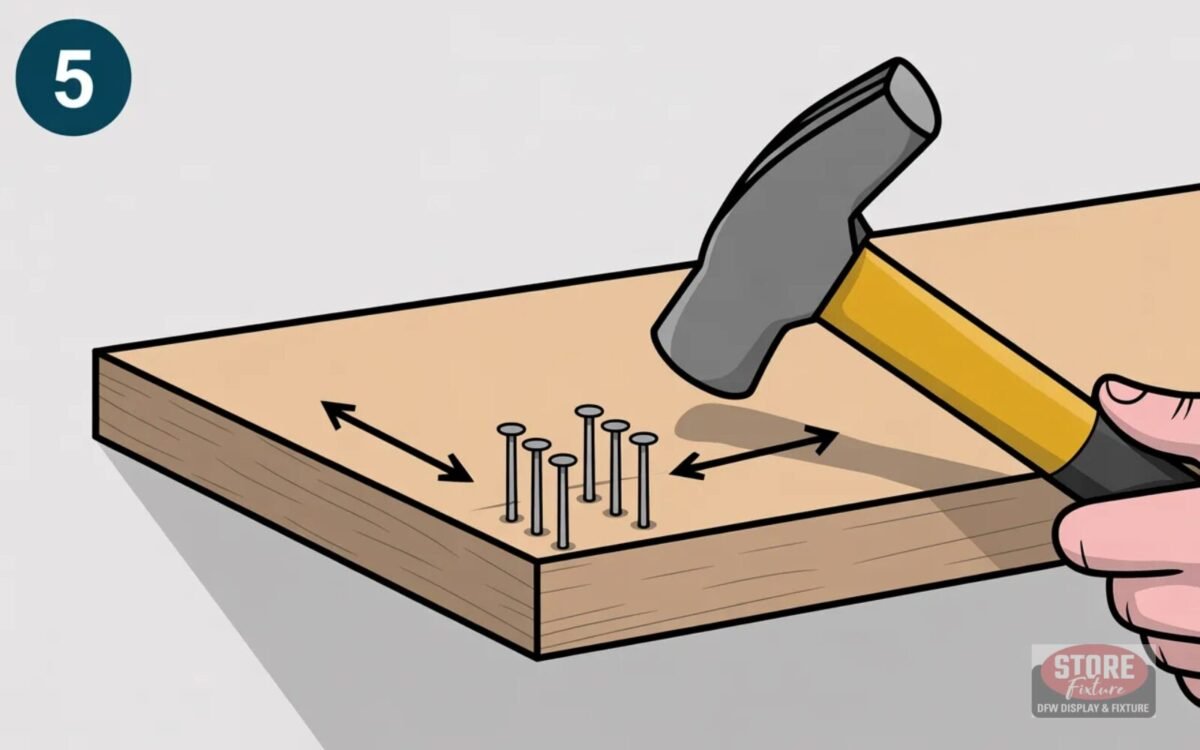
Secure using finish nails
Supports 15–35 lbs
Used mostly in boutique displays.
Method 2 — How to Make Floating Shelves With Hidden Brackets
Most popular retail solution.
Steps:
Locate wall studs
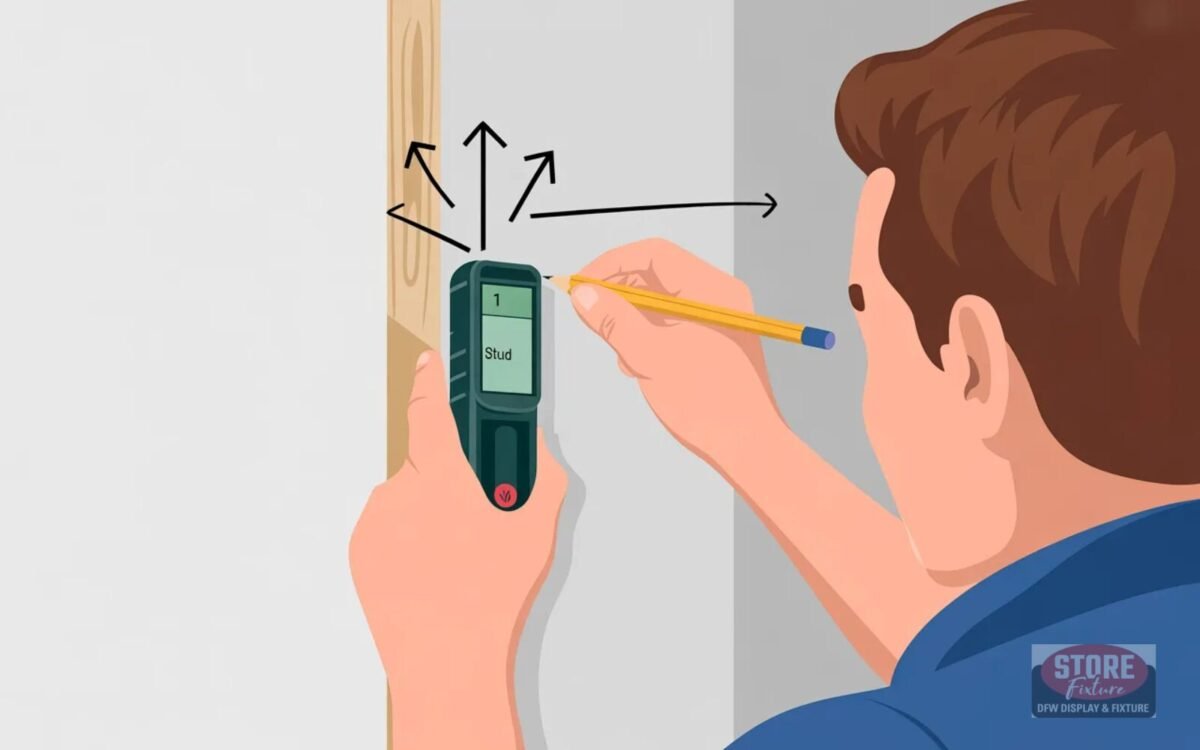
Install steel floating rods
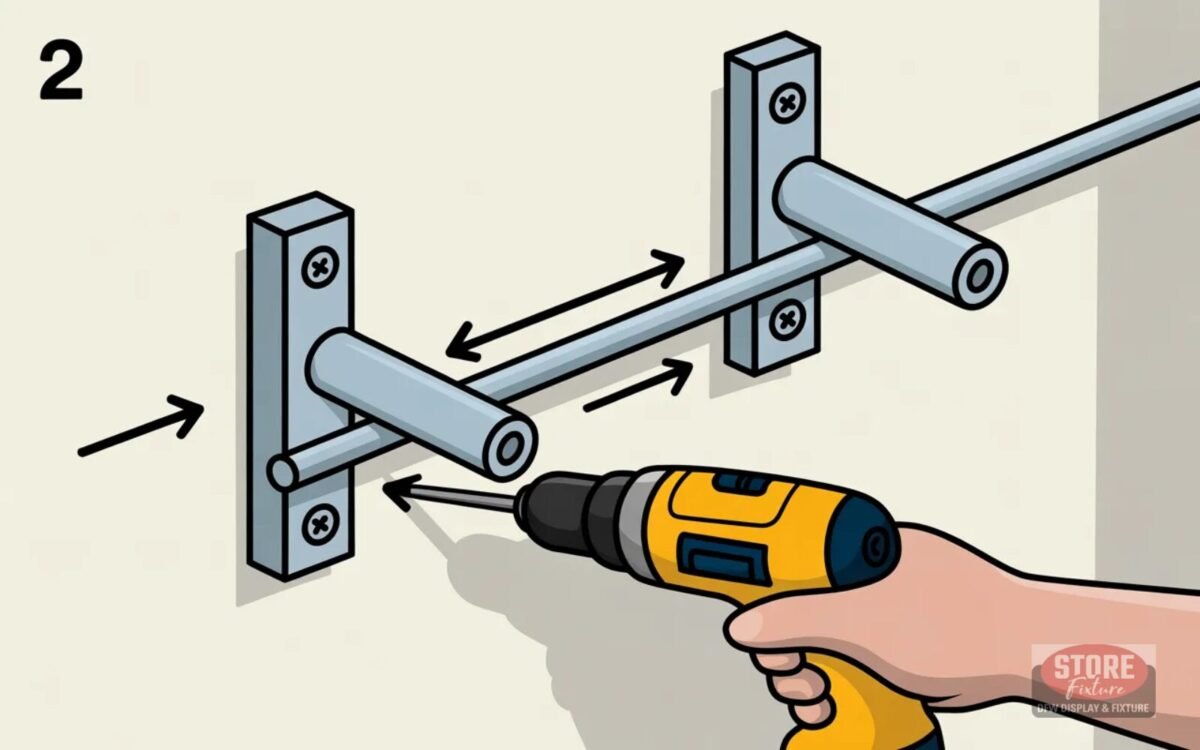
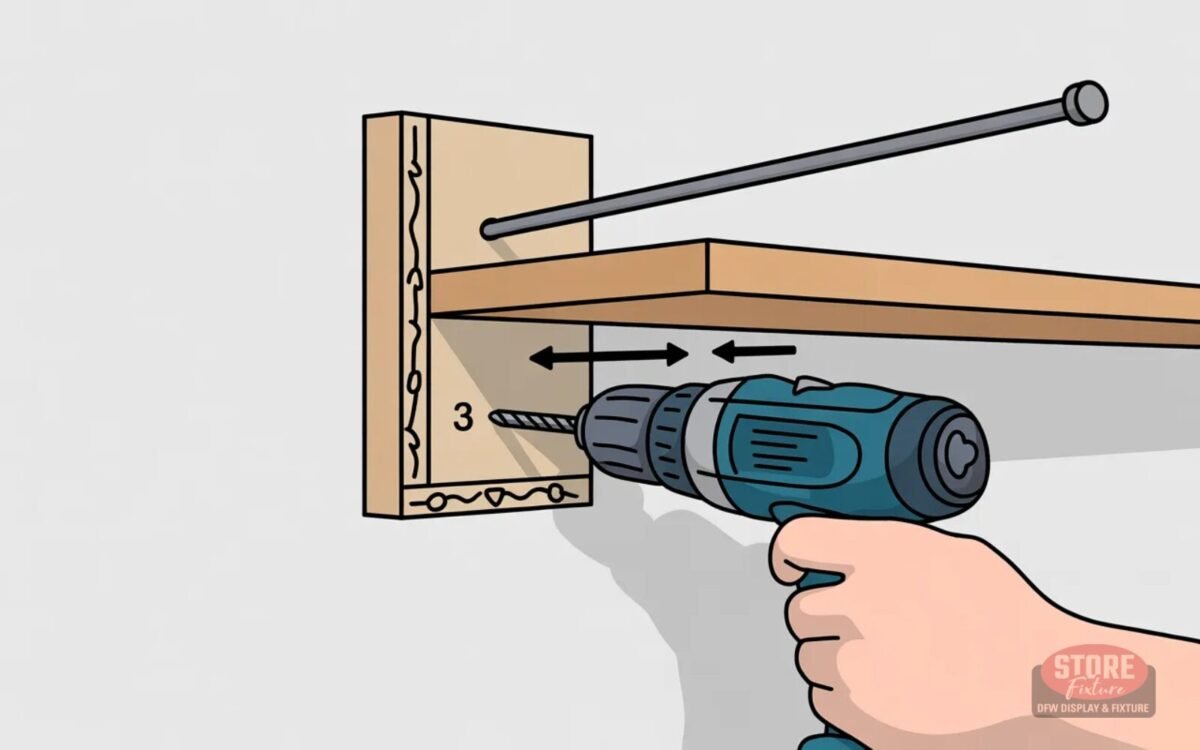
Drill matching holes into shelf
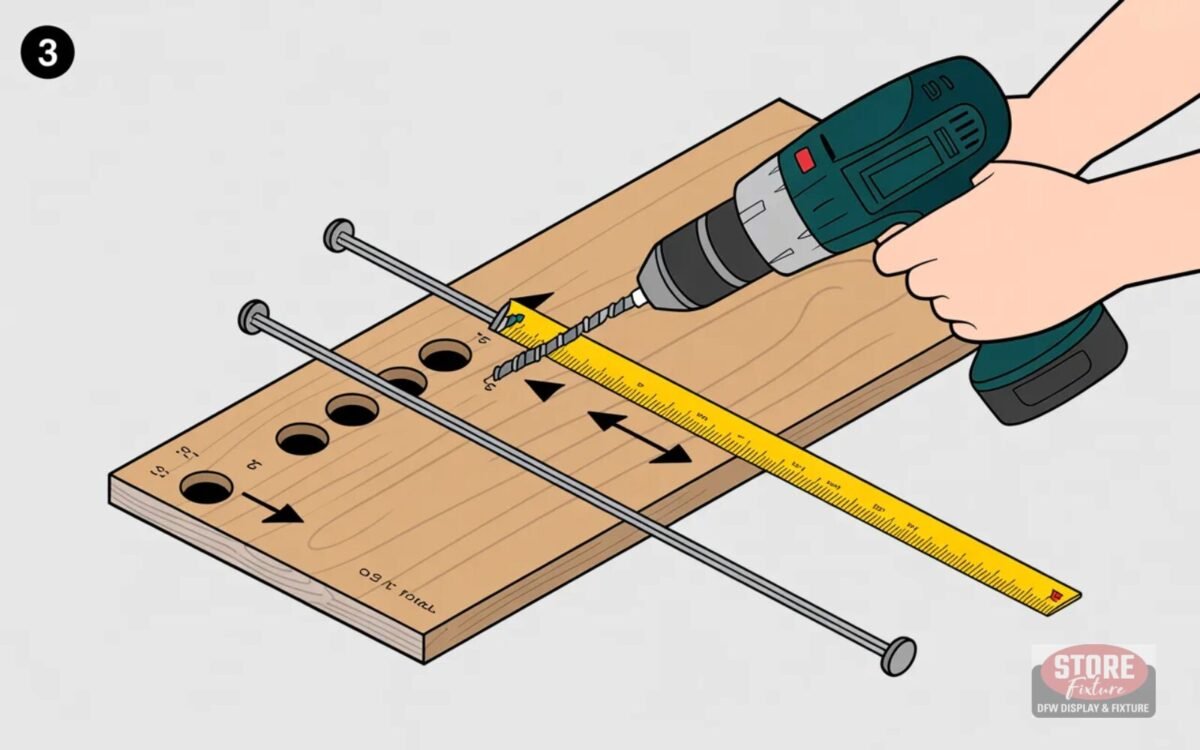
Slide shelf into bracket rods
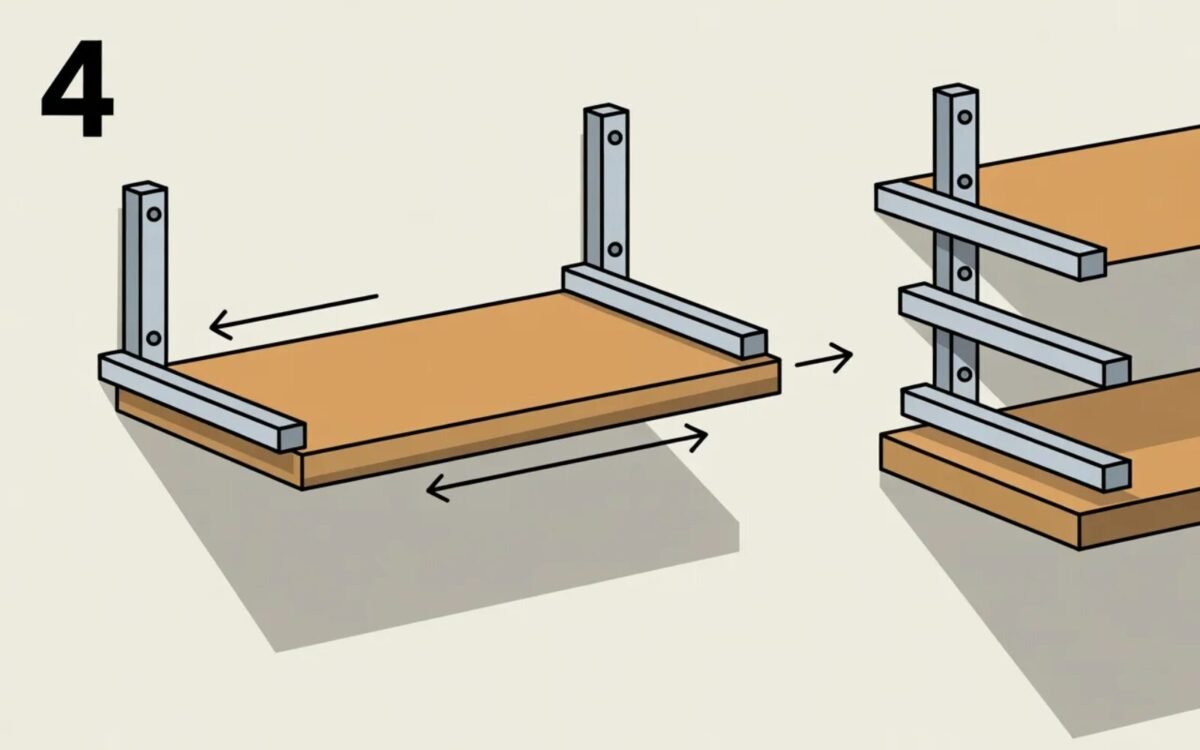
Tighten locking screws
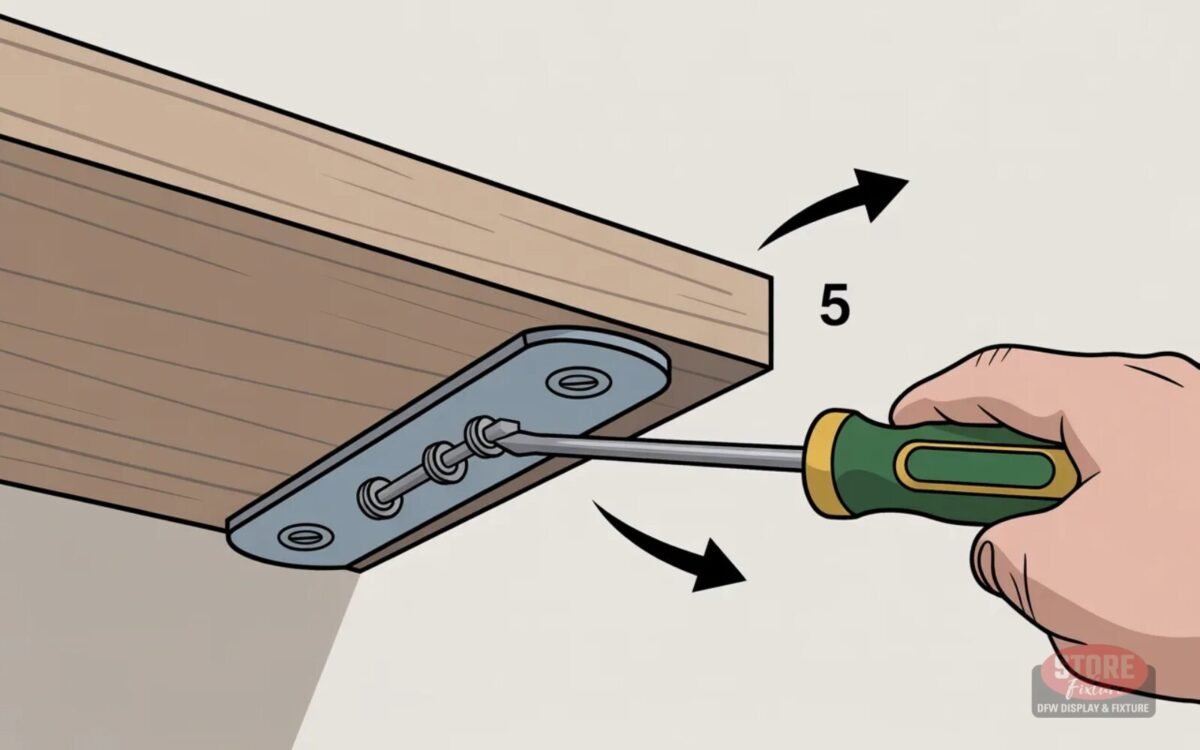
Supports 40–120 lbs
Used in vape shop design and smoke shop shelving layouts.
Retail Wall Display Alternatives
Method 3 — How to Make Floating Shelves With Plywood
Budget-friendly approach for CBD shop design.
Steps:
Use cabinet-grade plywood
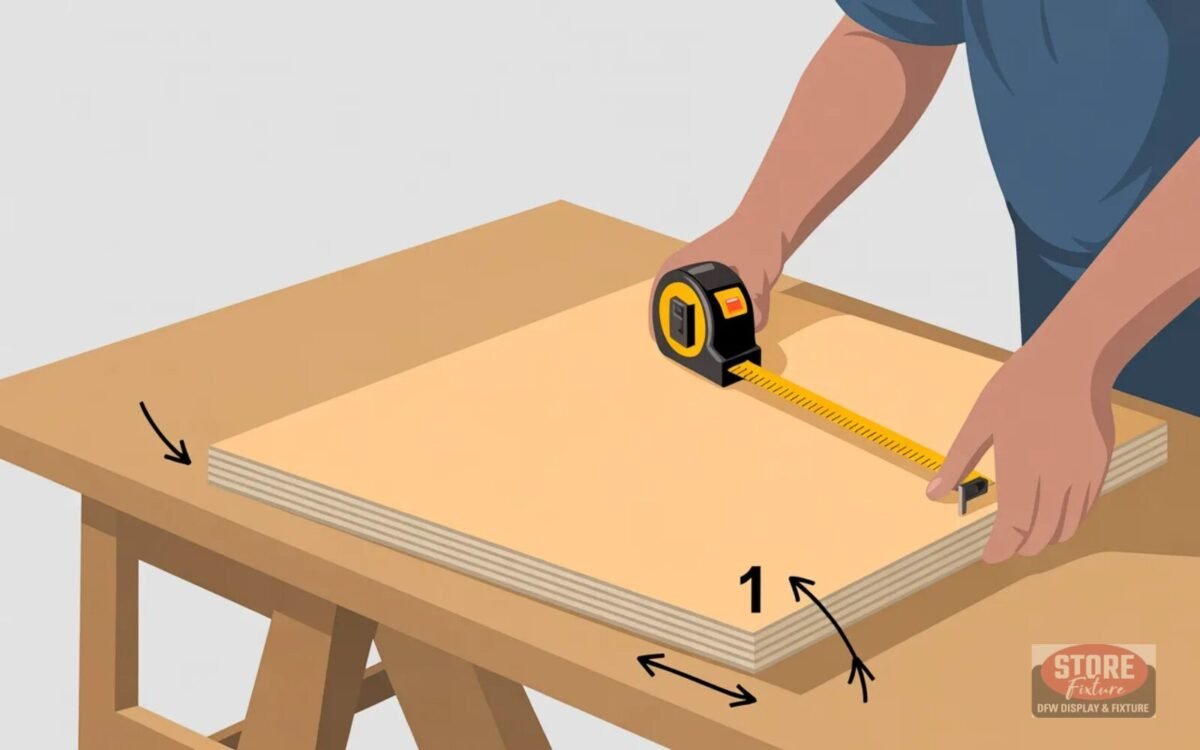
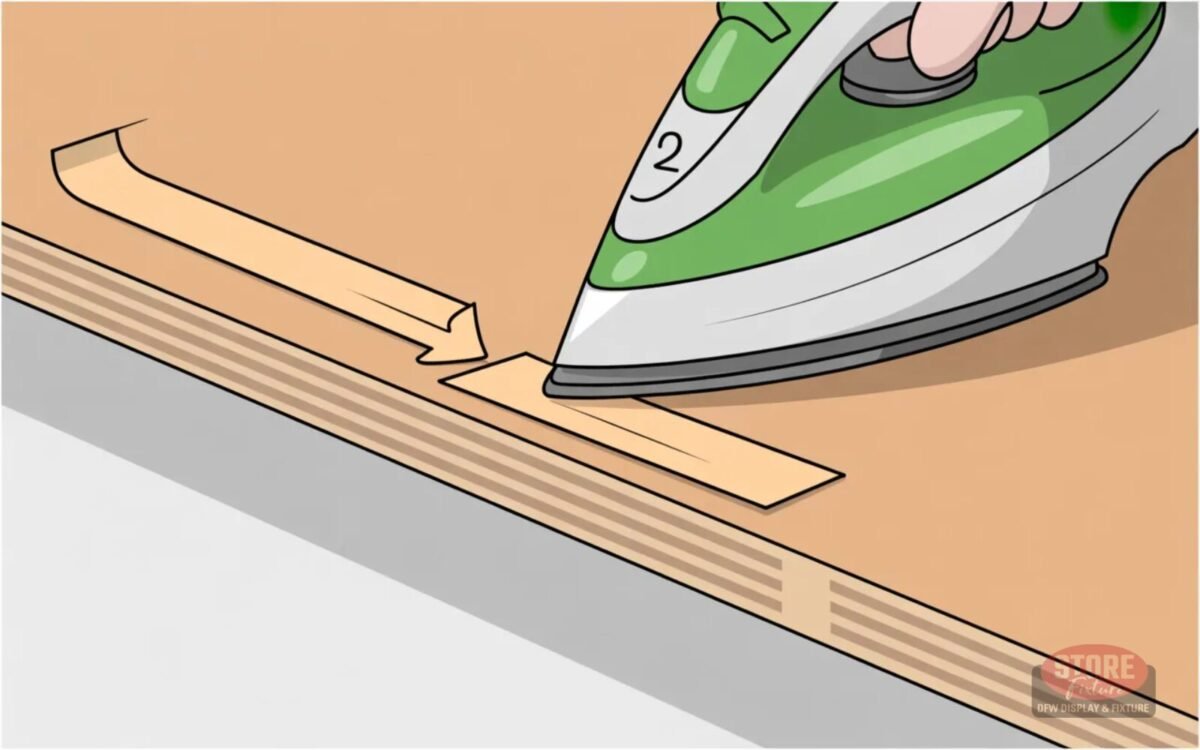
Wrap edges with veneer tape
Install concealed bracket
Paint or laminate finish
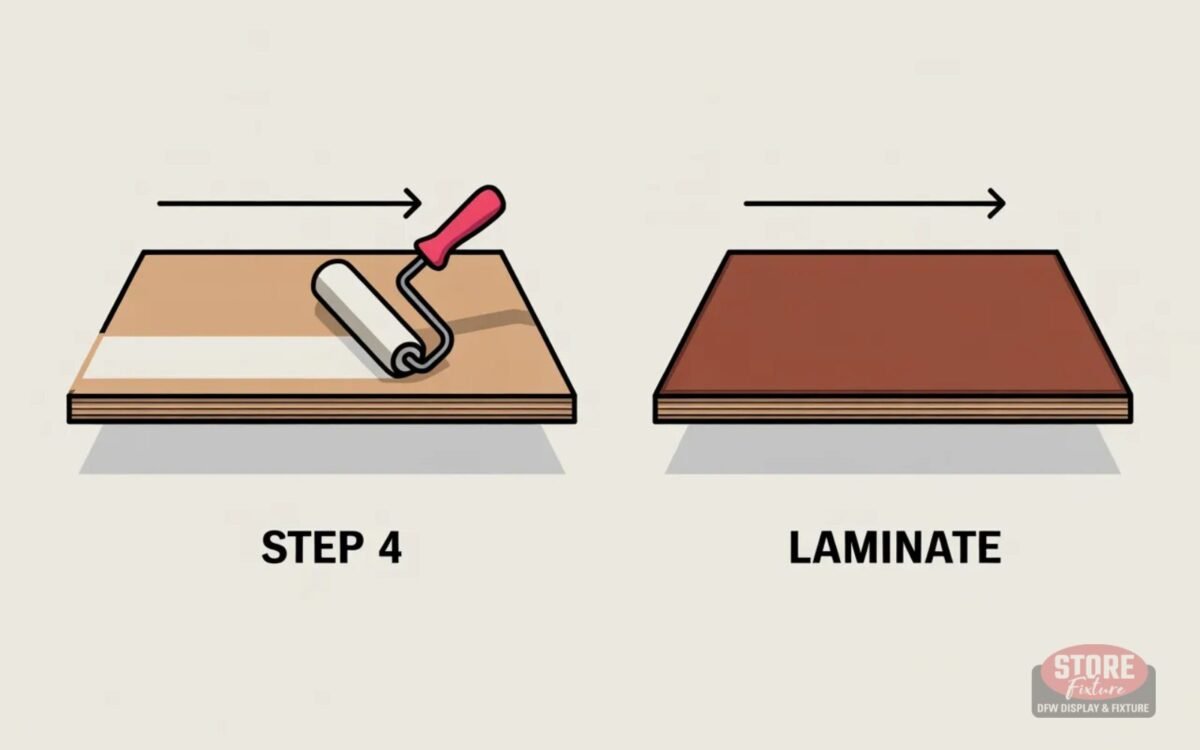
Cost:
$25 – $90 per shelf
Method 4 — How to Make Floating Shelves Stronger for Heavy Items
For retail products like humidors or glass displays:
Use:
steel rod brackets
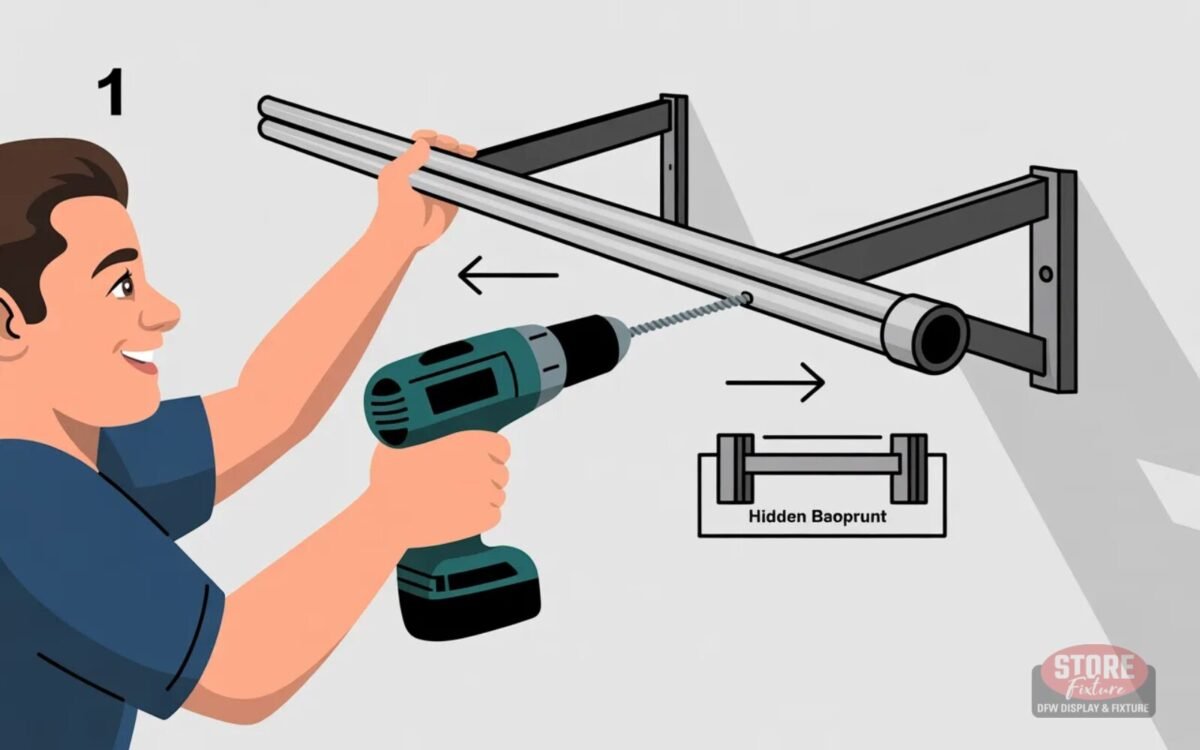
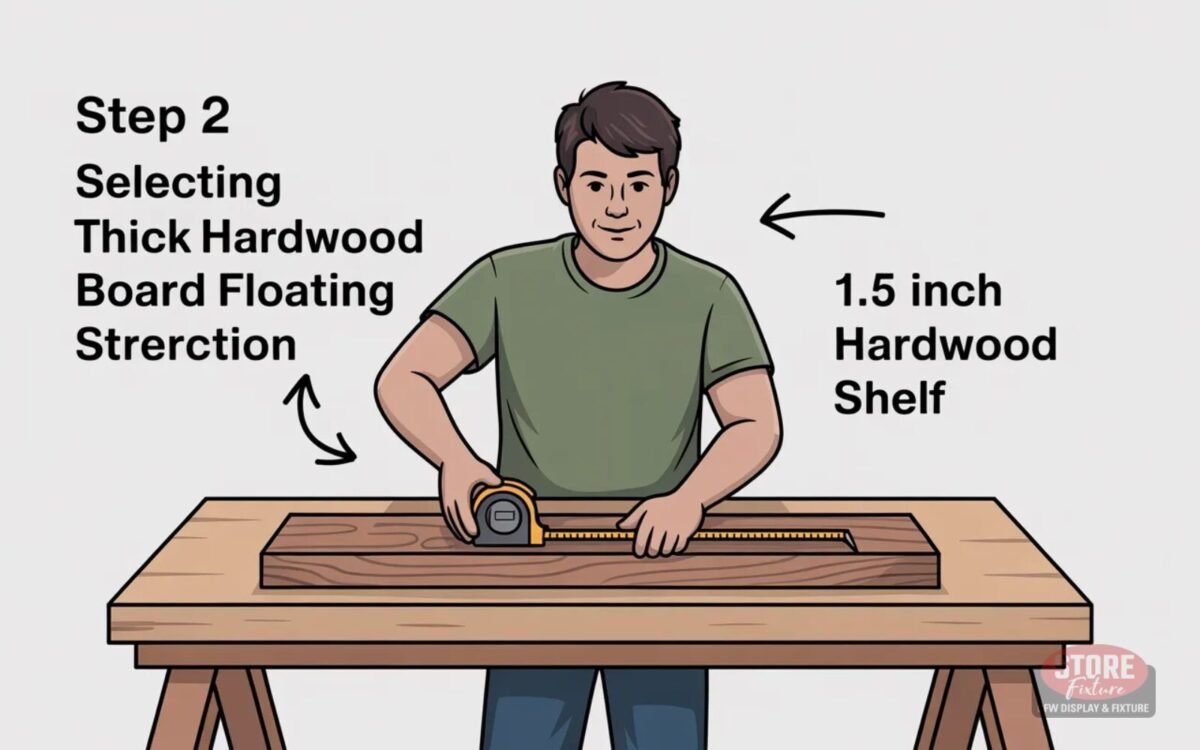
hardwood boards
2″ wall anchors
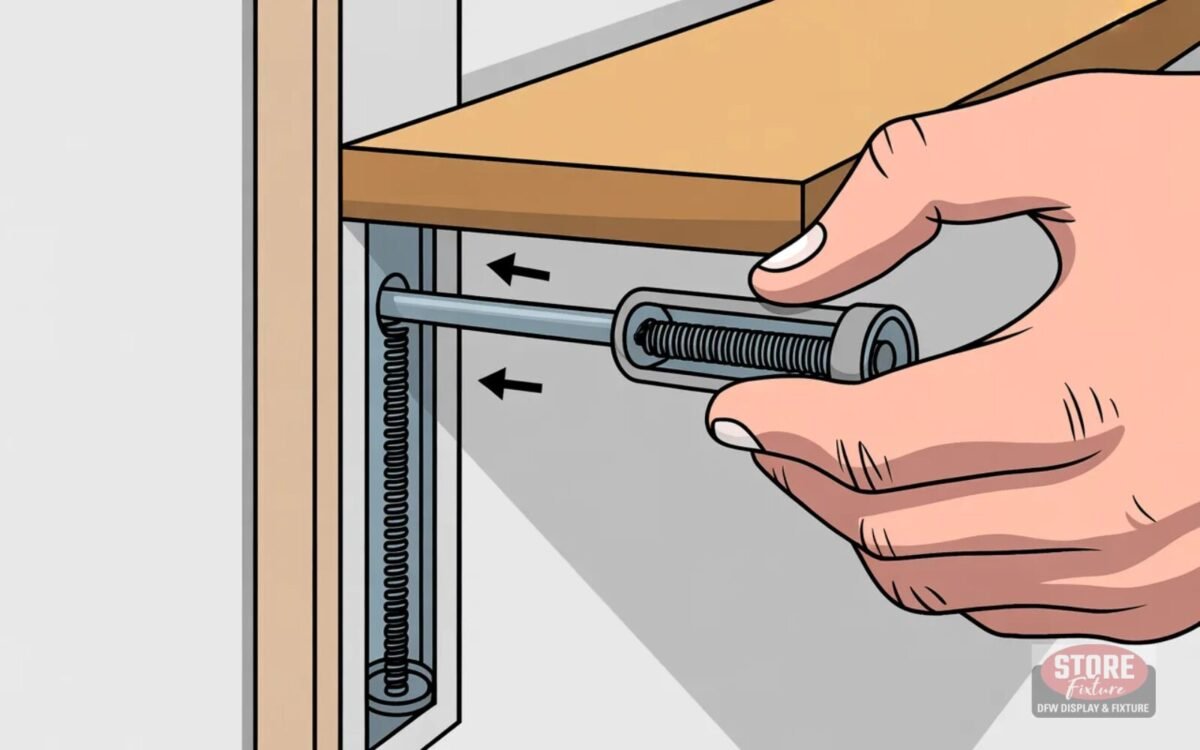
stud-mounted screws
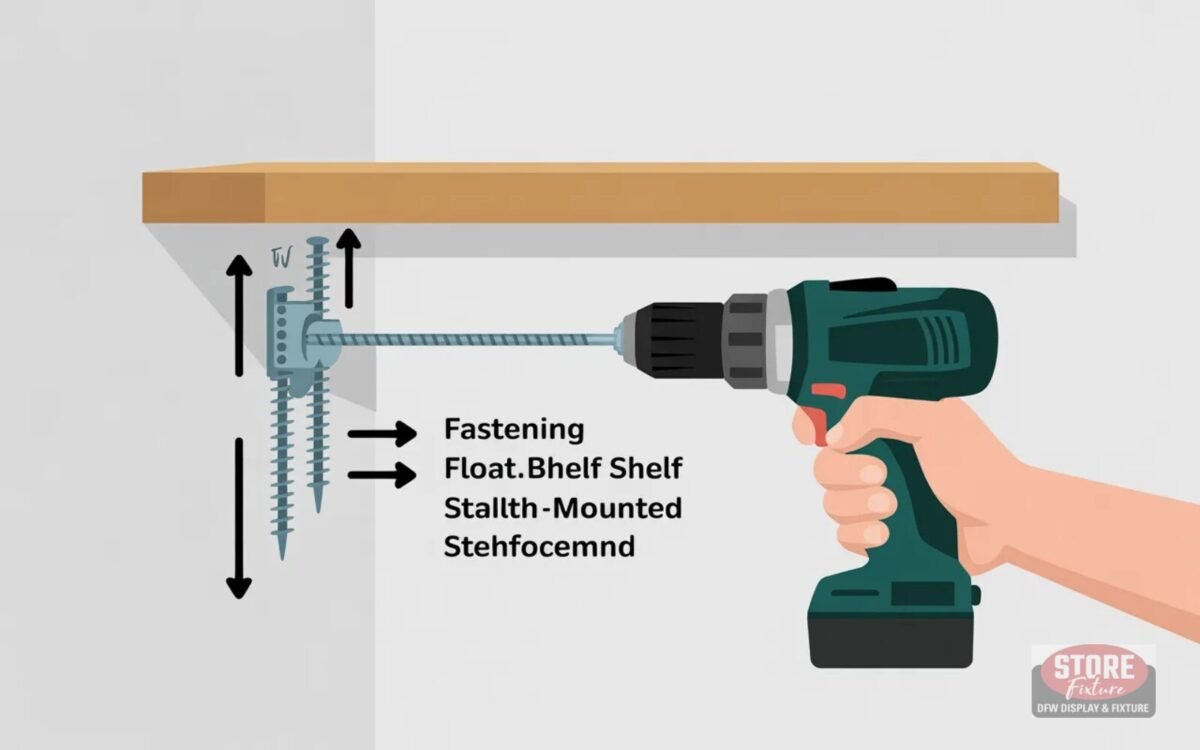
Supports up to 150 lbs per shelf
Add Premium Display Fixtures
How to Build Shelves on a Wall for Retail Stores
Recommended spacing:
- Vape displays: 10–12 inches
- Accessories: 8 inches
- Bottles: 12–14 inches
- Trophy displays: 16 inches
Example layouts:
See:
- https://storedisplayfixture.com/small-vape-shop-design-ideas/
- https://storedisplayfixture.com/display-counter-for-mobile-shop/
These layouts improve product zoning.
Floating Shelf Cost Comparison Table
| Shelf Type | Price | Material | Rating | Color | Capacity |
| Plywood Shelf | $25–90 | Plywood | 4.5/5 | White | 35 lbs |
| Steel Rod Shelf | $120–450 | Hardwood | 4.8/5 | Walnut | 150 lbs |
Real Dallas Installation Example
We installed floating shelves in a Plano smoke shop using hidden steel brackets.
Results:
- 32% increase wall storage
- cleaner store layout
- faster customer browsing flow
Combined with:
- Display Case for Zippo Lighters
- Display Case for Uniform
- Display Cabiinet for Trophies
- Display Case for Ornaments
Pros
- Maximize wall space
- Improve product visibility
- Modern retail look
- Flexible shelf height
Cons
- Needs stud installation
- Heavy load requires steel rods
- Incorrect mounting causes sagging
Related Store Layout Upgrades
Retail Fixture Planning Guides
| Payback | Rack model | Facing capacity | Price | Payback |
|---|
Frequently asked questions
1. How to make floating shelves without brackets?
Use wall cleat frame system.
2. How to make floating shelves stronger?
Install steel rod hidden brackets.
3. Can floating shelves hold heavy items?
Yes up to 150 lbs with studs.
4. Best wood for floating shelves?
Hardwood or cabinet plywood.
5. Shelf depth recommendation?
8–14 inches for retail.
6. Are floating shelves safe?
Yes if stud mounted properly.
7. Cost per shelf?
$35–450 depending materials.
8. Can install on drywall?
Only with anchors or studs.
9. Best spacing between shelves?
10–16 inches typical retail.
10. Are floating shelves good for smoke shops?
Yes very common layout choice.
DFW Display & Fixtures | Dallas Retail Fixture Supplier
More Than 10 Years Experience Supplying Commercial Walk-in Coolers & Refrigerators
We design floating shelves, smoke shop fixtures, gondola shelving, LED signage, and custom retail displays across Dallas TX.